Most AI Pilots Work.
Most Never Reach Production.
The Gap Isn't The Model.
The gap between a working model and a live production system isn't technical ability. It's the operational discipline nobody budgets for.
 FIELD NOTE
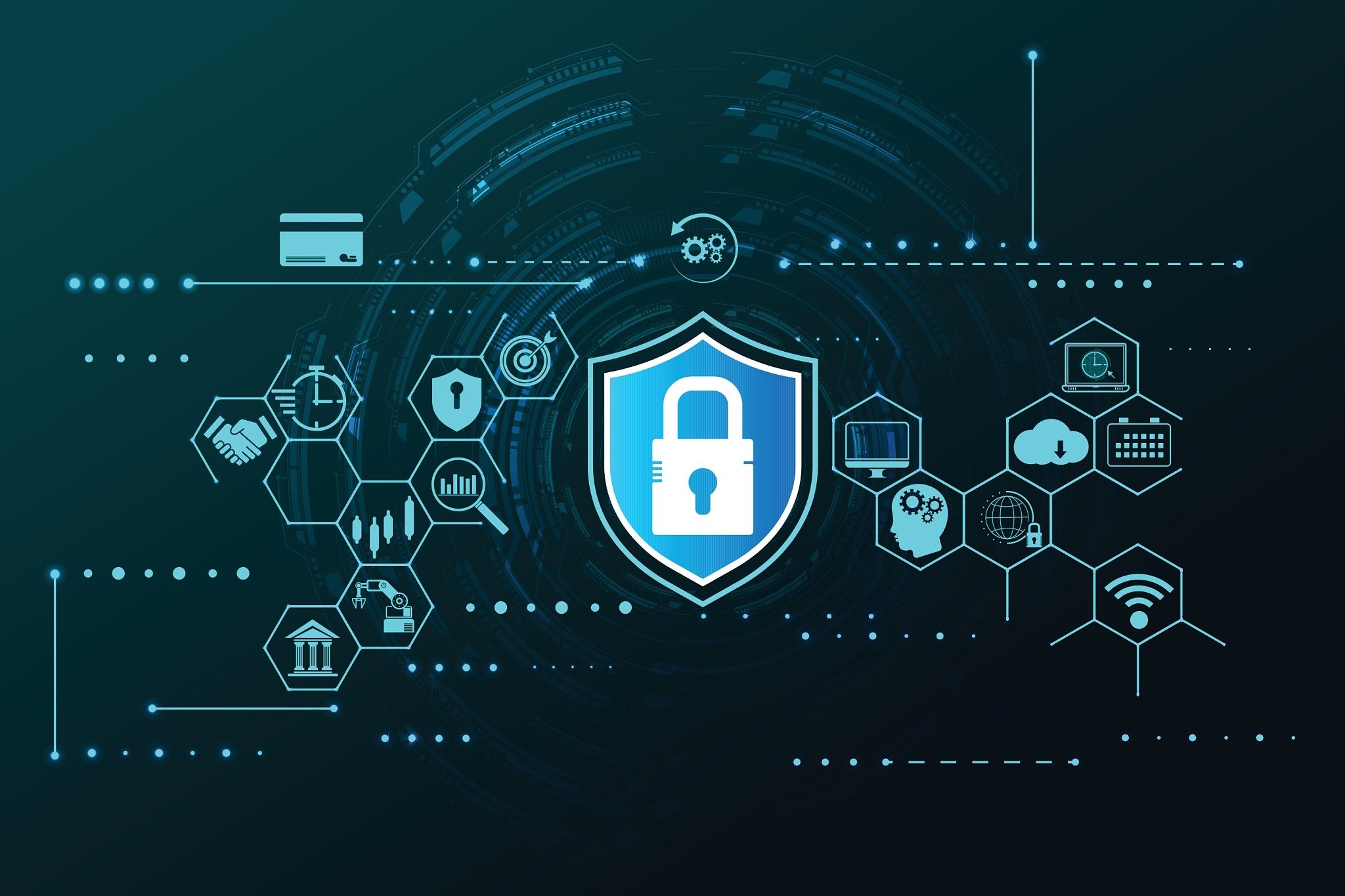
Five operational gates tracked across live AI deployments. Most pilots stall at the ownership handoff — not the model.
The Model Was Never The Hard Part
Almost every AI pilot we've reviewed produced a model that worked — sometimes remarkably well, in a demo, on a laptop, in front of stakeholders who were rightly impressed. Very few of those same pilots made it into a system that ran unattended, got monitored, and kept working six months later.
That gap isn't about model architecture or data science talent. It's about five ordinary pieces of operational discipline that nobody scopes into the pilot budget, because a pilot is designed to prove an idea works, not to run in production for years.
Each gate below includes a production-stage meter showing where teams typically stall — because a gap that surfaces in a demo is cheap to fix, and a gap that surfaces in production is not.
The model lives in a notebook, not a pipeline
The pattern
The model performs well in a data scientist's exploratory notebook, but there's no versioned, repeatable process to retrain it, package it, or push it into a live environment. Every "deployment" is really a manual copy-paste by the one person who understands it.
Why it happens
Notebooks are the right tool for exploration — fast iteration, immediate feedback. The shift to pipeline discipline is unglamorous engineering work that gets deprioritized the moment the demo lands well.
Close this gate before the pilot ends
- Move the model into a versioned pipeline — code, data, and parameters tracked together — before the first stakeholder demo, not after.
- Automate retraining as a repeatable job, not a manual notebook re-run.
- Package the model so someone other than its author can redeploy it without asking them a question.
Nobody is watching for drift
The pattern
The model ships with an accuracy number from testing day, and that's the last time anyone measures it. Months later, the inputs have shifted, predictions have quietly degraded, and the team who would've caught it has moved to the next project.
Why it happens
Monitoring is treated as an operations concern that starts after go-live, but the team who understands the model's behavior is the data science team — and by then, they're usually gone.
Close this gate before the pilot ends
- Define a small set of live performance and data-drift metrics before go-live, not after something looks wrong.
- Set alert thresholds tied to business impact, not statistical elegance.
- Assign a named owner for reviewing those metrics on a schedule — not "whoever notices."
Nobody owns it after the pilot
The pattern
The pilot succeeds, everyone claps, and then the model quietly becomes an orphan — the data science team that built it has moved to the next project, and operations never formally accepted responsibility for running it.
Why it happens
Pilots are usually scoped and funded as one-off projects, not as the start of an ongoing operational service, so nobody budgets for who runs it in month four.
Close this gate before the pilot ends
- Name the production owner — a team, not a person — before the pilot even starts, not at handoff.
- Write a runbook for common failure modes while the builders still remember the edge cases.
- Put the model in the same incident and on-call process as every other production system, not a separate "data science" track.
Retraining is improvised after the first failure
The pattern
The model was trained once on a historical dataset and never touched again — until performance drops enough that someone notices and scrambles to figure out how to retrain it from scratch, under pressure, for the first time.
Why it happens
Designing a retraining loop up front feels like solving a problem that doesn't exist yet, so it's deferred until it becomes an incident instead of a scheduled process.
Close this gate before the pilot ends
- Design the retraining trigger — schedule, drift threshold, or both — before go-live, not as an incident response.
- Keep a labeled feedback dataset flowing in from production, not just the original training set.
- Test the retraining pipeline itself before you need it under pressure.
There's no defined approval path for model decisions
The pattern
The model influences a real business decision — pricing, credit, routing, staffing — but there's no clear record of who approved it for that use, what the escalation path is when it's wrong, or how a human overrides it.
Why it happens
Governance conversations feel like they slow down a fast-moving pilot, so they get scheduled for "later" — and later never quite arrives before the model is already influencing real decisions.
Close this gate before the pilot ends
- Document who owns the decision the model informs, and confirm that's still true once it's automated.
- Define a clear human override path before the model goes live, not after the first bad call.
- Log every model-influenced decision in a form an auditor — or a customer — could actually review.
None of these five gaps are about model accuracy.
Every pilot we've seen stall had a model that worked. What they didn't have was the unglamorous operational discipline — pipelines, monitoring, ownership, retraining, governance — that turns a working model into a production system nobody has to babysit.
The teams that get AI into production budget for that discipline from day one, not as a phase-two nice-to-have.
Not sure which of these five gates are open?
Our architects will review your pilot against all five and show you exactly what's standing between it and production.